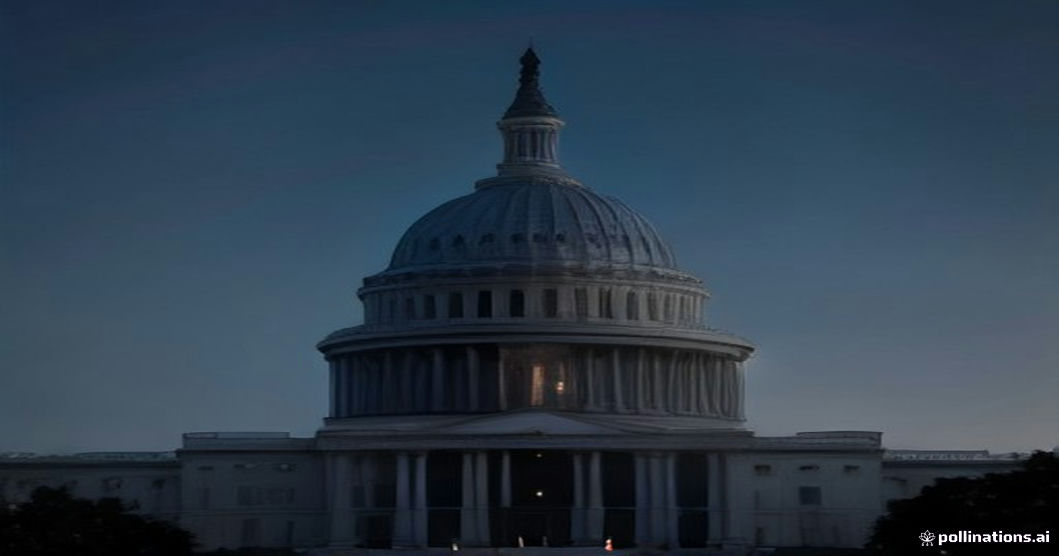
Crypto after the midterms just got a lot more complicated. With the Associated Press projecting Democratic majorities in both the Senate and the House, the industry wakes up to unified Democratic control of Congress when the new session convenes on January 3, 2027 – and to the very real prospect that Elizabeth Warren will hold the gavel at the Senate Banking Committee.
For an industry that spent the cycle pouring money into races through political action committees, the result is a sobering morning-after. Former Senator Sherrod Brown, a Fairshake target, survived his race, and Warren appears positioned to lead the committee that writes the rules for everything from exchange oversight to stablecoin issuers.
A new gavel for Elizabeth Warren?
Warren’s chairmanship is prospective rather than formally confirmed in the available reporting, but the direction is clear enough. Democrats are expected to bring crypto firms, banks and technology companies under heavier congressional scrutiny, including hearings and possible investigations into the relationships between crypto businesses and the outgoing administration’s political operations.
House committees matter just as much: Democrats gain control of Financial Services and Agriculture, the two panels that shepherd digital-asset legislation, which puts them in charge of hearings, amendments and oversight from day one.
What happens to the CLARITY Act
The market-structure bill that everyone has been waiting on is still stuck. The CLARITY Act passed the House and drew a Senate Banking Committee substitute, but it never cleared the Senate floor. It now faces a January 3, 2027 deadline to squeeze through during the lame-duck session or be reintroduced in the new Congress.
Analysts cited in coverage expect the bill to be unlikely to pass over the next two years under Democratic control – which means the industry’s central legislative ask slips from “when” to “whether.”
Crypto’s Washington strategy gets a rewire
The election-day market moves were noisy enough – Bitcoin bounced sharply as uncertainty faded – but the durable impact is political. Spending-heavy electoral strategies produced a map that now tilts toward tougher scrutiny, while the regulatory perimeter built through rulemaking and enforcement continues regardless of Congress.
Expect three near-term signals: how quickly a Warren-led Banking Committee schedules oversight hearings, whether any CLARITY language attaches to year-end must-pass bills, and how issuers and exchanges reposition their lobbying benches before the new Congress sits.
One thing hasn’t changed: the industry still wants clear rules. It just has a very different audience to convince.