Key Takeaways
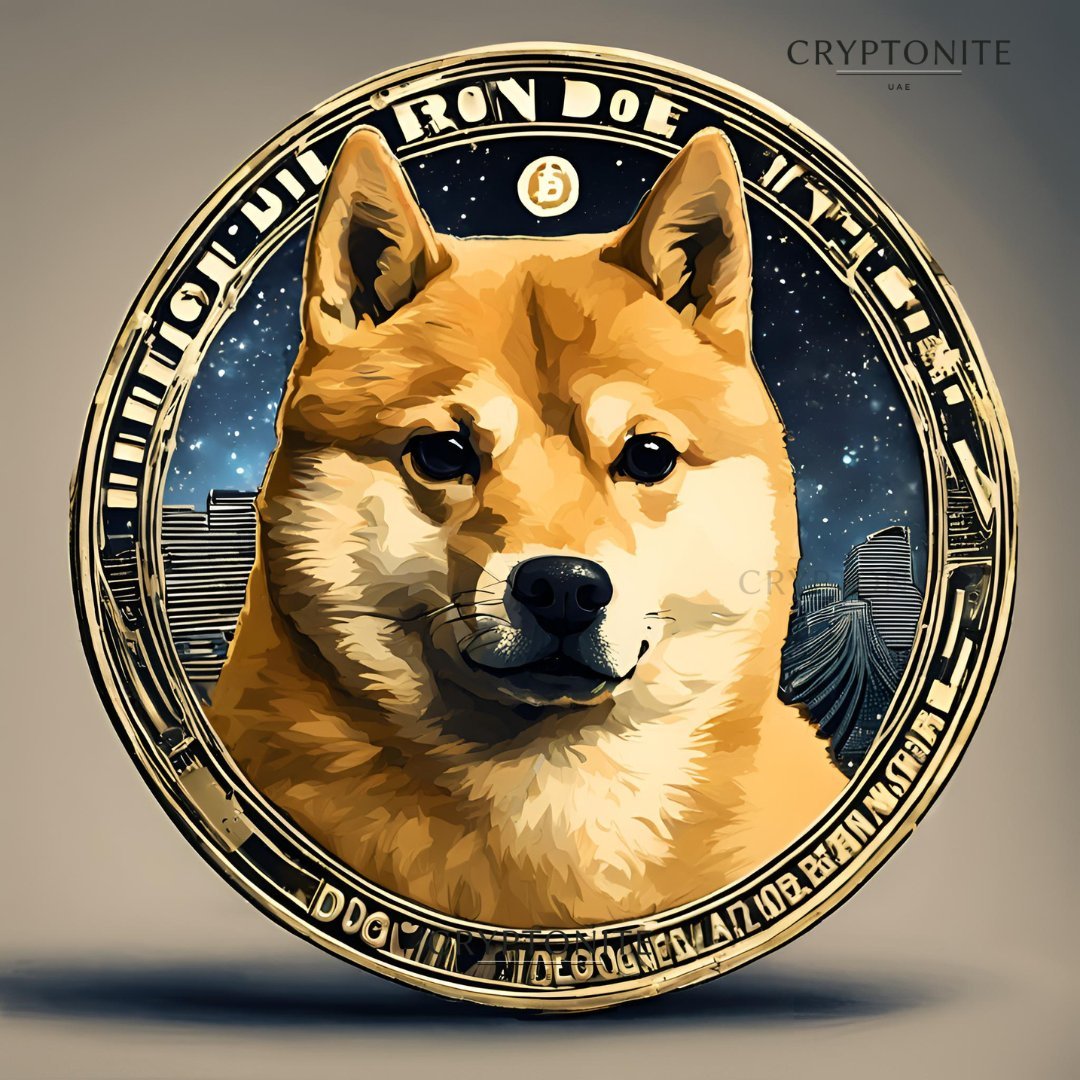
- Dogecoin (DOGE) launched in December 2013 as a joke, built on Litecoin’s code with a Shiba Inu meme as its face.
- It uses a proof-of-work chain merge-mined with Litecoin, with fast, low-cost transactions and no fixed supply cap.
- DOGE keeps trending because of a large community, celebrity attention, and its role as an on-ramp for first-time crypto users.
- It has real utility for tipping and micropayments, but its inflationary supply and sentiment-driven price make it high-risk.
What is Dogecoin? Dogecoin (DOGE) is a proof-of-work cryptocurrency created in December 2013 by software engineers Billy Markus and Jackson Palmer. It began as a satirical take on the crypto boom, using the “Doge” Shiba Inu meme, but grew into one of the most widely held digital currencies, known for fast, cheap transactions and an unusually active community.
What started as an internet in-joke has proven remarkably durable. More than a decade after launch, Dogecoin remains among the most recognised names in crypto — a reminder that in this market, community and culture can matter as much as technology. If you are new to the space, our beginner’s guide to cryptocurrency covers the fundamentals first.
How Does Dogecoin Work?
Technically, Dogecoin is a fork of Luckycoin, which itself descended from Litecoin. It runs a proof-of-work blockchain using the Scrypt hashing algorithm, and since 2014 it has been merge-mined with Litecoin — miners can secure both networks at once, which strengthens Dogecoin’s security without requiring its own dedicated mining base.
Two design choices define the user experience. Blocks are produced roughly every minute, so confirmations are quick, and fees are typically a fraction of a cent. That makes DOGE well suited to small, frequent transfers such as tipping content creators or sending micropayments.
Unlike Bitcoin’s hard cap of 21 million coins, Dogecoin has no maximum supply. A fixed number of new coins enters circulation with every block, adding a steady, predictable amount each year. This mild, ongoing inflation is intentional — it discourages hoarding and keeps coins circulating — but it also means DOGE was never designed as a scarce, deflationary store of value.
Dogecoin vs Bitcoin at a glance
| Feature | Dogecoin (DOGE) | Bitcoin (BTC) |
|---|---|---|
| Launched | 2013 | 2009 |
| Algorithm | Scrypt (merge-mined with Litecoin) | SHA-256 |
| Block time | ~1 minute | ~10 minutes |
| Supply cap | None (steady annual issuance) | 21 million |
| Primary role | Tipping, micropayments, community | Store of value, settlement |
Why Does Dogecoin Keep Trending?
Dogecoin’s staying power comes from three reinforcing factors. The first is community. From its earliest days, the Dogecoin community leaned into charity and tipping — funding a Jamaican bobsled team’s Olympic trip and sponsoring a NASCAR driver — which built goodwill and identity that outlasted the initial joke.
The second is high-profile attention. Public endorsements from figures such as Elon Musk have repeatedly pushed DOGE into mainstream headlines, and companies including Tesla have at points accepted it for selected merchandise. Each wave of attention introduces the coin to a new audience — a pattern later meme coins such as PEPE and BONK would try to repeat.
The third is accessibility. Its low unit price and friendly branding make Dogecoin a common first cryptocurrency. For many people, buying a few DOGE is how they learn to use a wallet and an exchange before exploring the wider market.
Why This Matters
Dogecoin is often dismissed as unserious, but its longevity carries a genuine lesson for anyone studying digital assets: network effects and culture are real, defensible moats. A protocol with modest technical ambitions has retained relevance for over a decade purely on the strength of its community and brand.
For the UAE and wider MENA market — where regulators such as Dubai’s VARA and the Central Bank of the UAE are building clear frameworks for virtual assets — meme coins like DOGE also serve as an entry point that draws new users toward regulated exchanges. Understanding why they trend helps investors separate cultural momentum from fundamental value, a distinction that matters far beyond Dogecoin itself.
Risks and Limitations
Dogecoin’s price is heavily sentiment-driven and historically volatile, often moving on social-media cycles and single endorsements rather than on-chain fundamentals. Its uncapped supply means it lacks the scarcity narrative that underpins assets like Bitcoin. And because much of its momentum depends on continued public attention, interest can fade as quickly as it arrives. None of this is a verdict on the coin — only a reminder to weigh cultural hype against durable use.
Frequently Asked Questions
Is Dogecoin the same as Bitcoin? No. Dogecoin is a separate, faster, lower-fee proof-of-work coin with no supply cap, designed for small transactions rather than as a scarce store of value.
Who created Dogecoin? Billy Markus and Jackson Palmer created it in December 2013 as a light-hearted parody of the growing cryptocurrency market.
Does Dogecoin have a maximum supply? No. A fixed number of new DOGE is issued with each block, so the total supply grows at a steady, predictable rate every year.
What is Dogecoin used for? It is commonly used for tipping, charitable fundraising, and low-cost micropayments, and is often a newcomer’s first crypto purchase.
This article is for informational purposes only and does not constitute financial, investment, or legal advice.
By Vaibhavv Ali

3 thoughts on “What is Dogecoin? Why This Keeps Trending?”