Circle USDC burn refusal- Stablecoin issuer Circle is locked in a high-stakes legal battle with Wisconsin authorities after declining to destroy and reissue nearly 381,000 USDC stolen in a 2025 investment scam, raising fresh questions about the technical and legal obligations of stablecoin issuers in asset recovery efforts.
In a development that could set precedents for the entire crypto industry, prosecutors in Walworth County, Wisconsin, have filed a criminal contempt complaint against Circle Internet Financial LLC. The charge stems from the company’s alleged failure to fully comply with a court order aimed at recovering funds for scam victims.
The Roots of the Dispute
The case originates from sophisticated investment fraud schemes targeting Wisconsin residents in late 2024 and August 2025. Victims lost significant sums—hundreds of thousands of dollars from retirement savings and life insurance proceeds—after being lured into scams involving fake investment platforms. Funds were converted to USDC and funneled through layered wallets to obscure the trail.
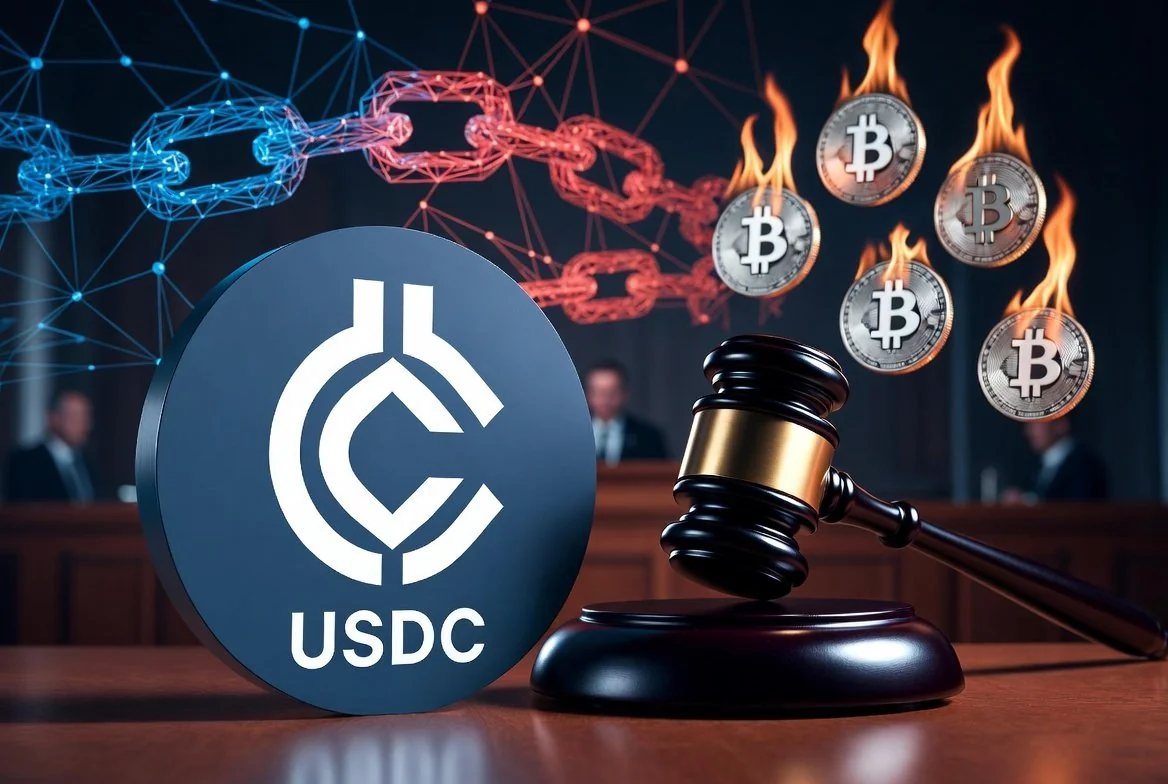
In August 2025, a Walworth County court ordered Circle to freeze approximately 381,235 USDC in the suspect wallet. Circle promptly complied with the freeze. However, tensions escalated in December 2025 when a judge issued a seizure warrant directing the company not only to block the assets but to facilitate their recovery—specifically by burning (destroying) the tokens and reissuing an equivalent amount to a wallet controlled by the Sheriff’s Office.
Circle refused, arguing that such burn-and-reissue functionality is not supported in its current USDC architecture and that the local court lacks jurisdiction to mandate changes to blockchain operations. The company maintains a strict policy of acting only on lawful processes to protect users from arbitrary interference. Prosecutors responded by charging Circle with misdemeanor contempt for intentionally disobeying the court order.
Key Points of Contention
- Freezing vs. Recovery: Circle fulfilled the initial freeze but drew the line at destruction and reissuance.
- Technical Feasibility: The issuer claims it cannot invalidate and reissue tokens; critics, including blockchain experts, view this as a policy choice rather than an immutable limitation.
- Jurisdictional Reach: Circle questions whether a state court can compel intervention in its global stablecoin infrastructure.

Tether’s Approach Under Scrutiny
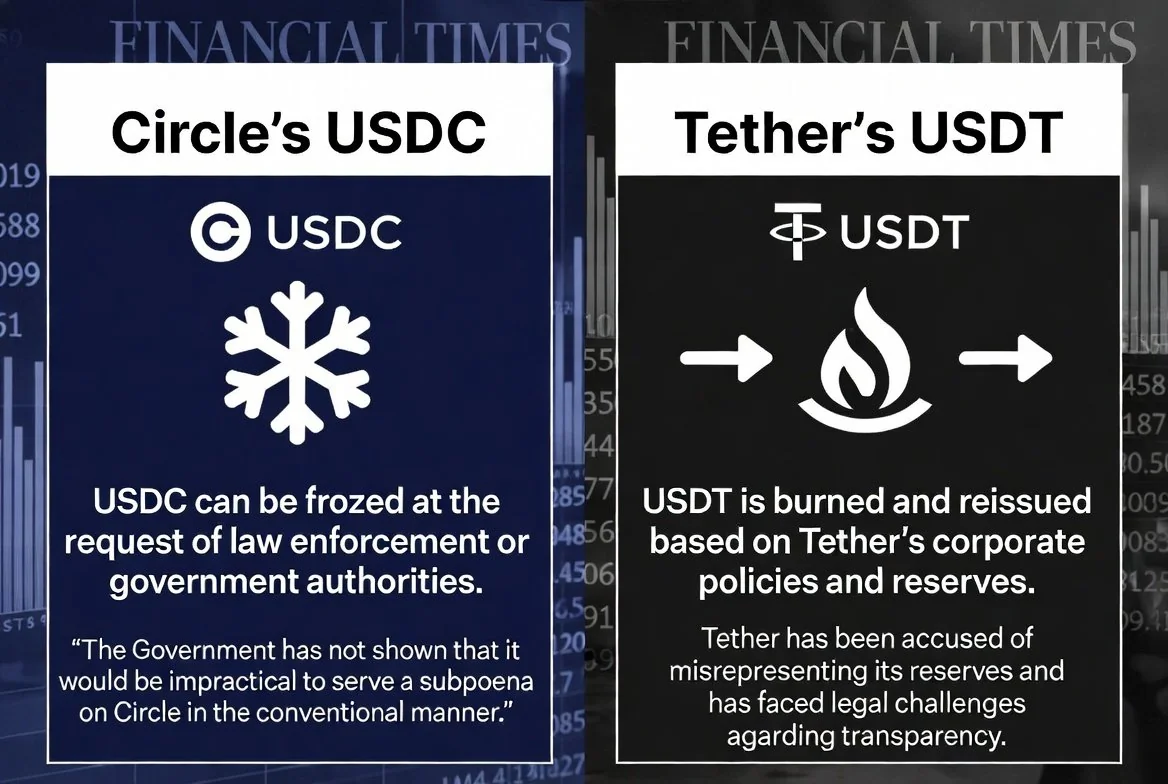
The case has spotlighted contrasting practices among stablecoin giants. Tether (USDT), the market leader, has routinely burned frozen illicit tokens and reissued equivalent value to law enforcement or victims. Public records indicate Tether has assisted in recovering over $1.1 billion through this method, and it sometimes acts on requests even without a formal court order.
This disparity has fueled criticism of Circle’s more cautious stance. While Circle has frozen assets in response to court orders in other matters, its reluctance to implement burn-and-reissue has drawn regulatory and law enforcement frustration, especially as stablecoins play an expanding role in global finance.
Broader Implications for the Industry
This Wisconsin case arrives amid heightened regulatory scrutiny of stablecoins. A ruling forcing issuers to build and maintain recovery mechanisms could reshape how companies like Circle manage compliance, potentially increasing operational burdens while improving victim restitution outcomes. Conversely, a win for Circle could reinforce issuer protections and limit state-level overreach into decentralized systems.
Circle has signaled preliminary agreements with federal authorities on victim compensation via permanent freezes in some contexts, but it remains unclear if this extends to the Wisconsin matter. The initial court appearance was scheduled for May 2026, with the dispute continuing to unfold.
As stablecoins cement their place in payments and DeFi, battles like this one will likely define the balance between innovation, user safeguards, blockchain immutability, and law enforcement needs. The outcome could influence not just USDC but the broader regulatory framework for digital assets worldwide.
This article is based on public court documents, official releases from Walworth County authorities, and recent investigative reporting. For the latest developments, consult official sources or legal counsel.

1 thought on “Circle Faces Contempt Charges Over Refusal to Burn 381K USDC”