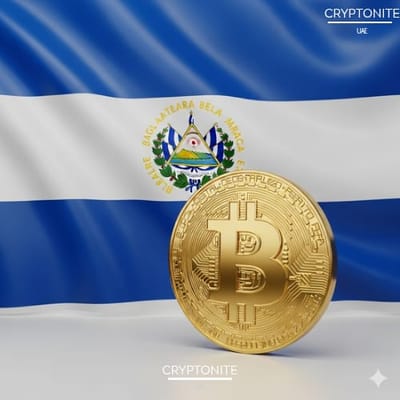
El Salvador, the first country to adopt Bitcoin as legal tender in 2021, has significantly revised its cryptocurrency framework by 2025. The country has moved away from a mandatory, state-driven model toward a more regulated and voluntary one, balancing a crypto-friendly environment with international financial standards.
Key Policy Changes and Timeline
- January 2025: The government substantially revoked the original Bitcoin Law, ending the legal requirement for businesses to accept Bitcoin. The official Chivo wallet was phased out, and the government’s role shifted from enforcing usage to promoting voluntary adoption.
- February 2025: Further amendments were rolled out, banning the use of Bitcoin for paying taxes and government fees.
- March 2025: A new regulatory framework officially came into effect, emphasizing compliance and voluntary adoption.
- August 2025: The National Assembly passed the Investment Banking Law, which allows major financial institutions with over $50 million in capital to offer crypto services to “sophisticated investors” holding more than $250,000 in liquid assets.
Regulation and Compliance
The country’s regulatory landscape is overseen by the National Commission of Digital Assets (CNAD), which handles licensing and enforcement. The Central Reserve Bank (BCR) supervises anti-money laundering (AML) and counter-terrorism financing (CTF) standards.
El Salvador maintains a highly attractive tax environment for crypto, with no capital gains tax for individual investors and substantial tax exemptions for crypto companies, provided they comply with AML/KYC standards. Businesses must apply for licenses, categorized as either a Bitcoin Service Provider (BSP) or a Digital Asset Service Provider (DASP).
Government Holdings and Mining
Despite the policy changes, the Salvadoran government continues to hold approximately 6,313 BTC, valued at around $702 million. These holdings are managed through a strategic reserve fund, with the government signaling intentions for further purchases.
In addition, El Salvador is solidifying its position in sustainable crypto mining. The state-owned company LaGeo operates mining facilities powered by 100% geothermal energy from volcanoes, with a capacity of up to 95 MW. The government continues to support these initiatives to attract global investment.
Adoption Rate
Despite the country’s crypto-friendly environment, public adoption remains low. As of early 2025, user penetration was just 3.34%, with most Salvadorans not using Bitcoin for daily transactions. The government is focused on new initiatives to boost public utility and perception of crypto.
In conclusion, El Salvador’s 2025 crypto policy is a mature evolution from its initial pioneering stance. It balances state support with a regulatory framework that encourages innovation, a move that positions the country as a unique hub for digital assets in Latin America.
September 2025, Cryptoniteuae